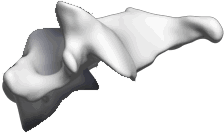
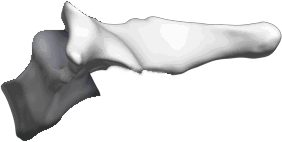
Upper Neck 101
A Complex Problem at the Craniocervical Junction
The craniocervical junction (CCJ), the area where your skull meets the very top of your neck, is the most vulnerable region in your entire spine. It’s a busy intersection: roughly half of all the movement in your neck happens right here, between your head and the top two vertebrae. That’s a lot of motion packed into a very small, delicate space.
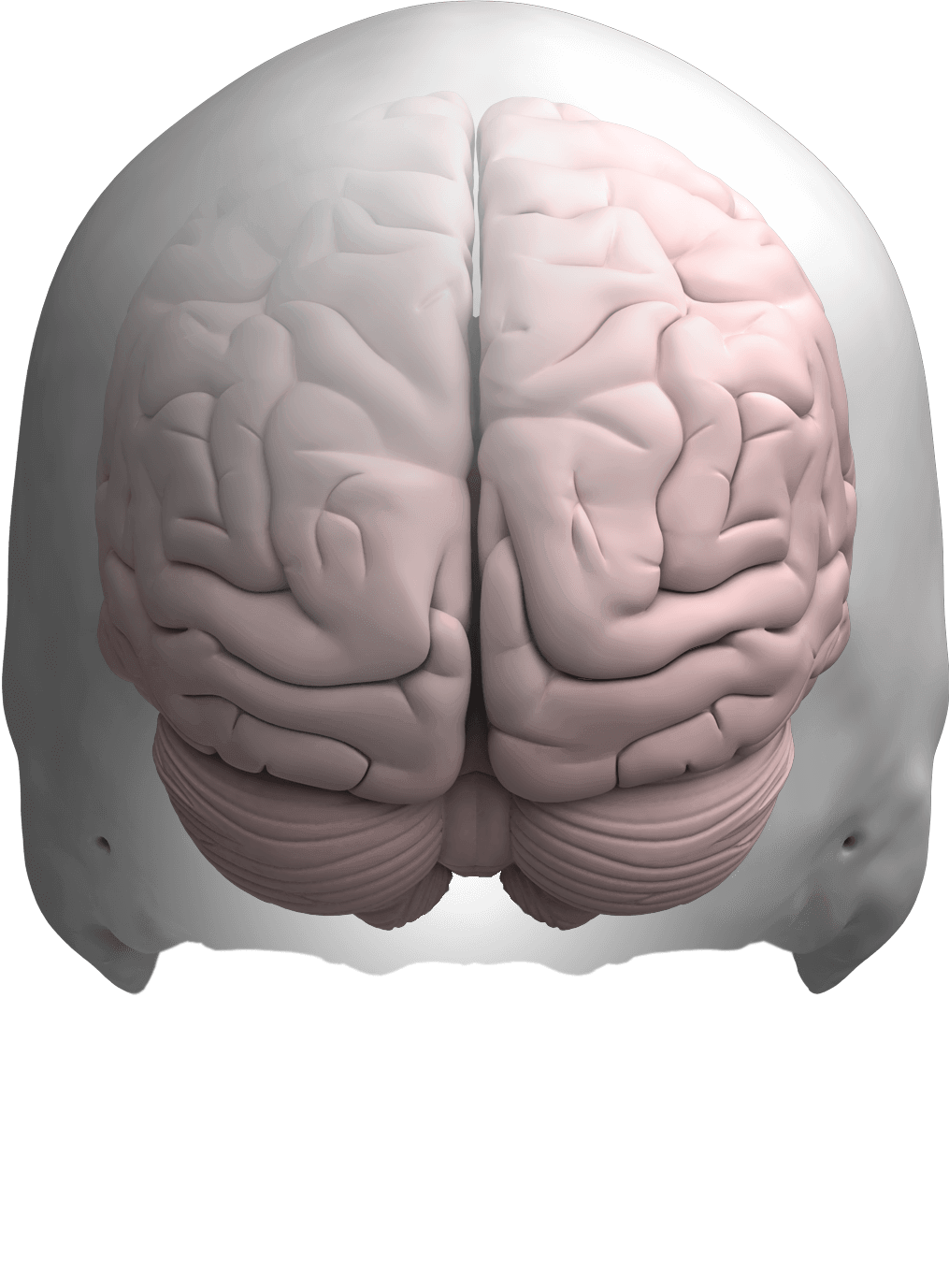
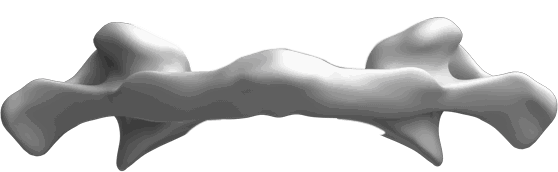
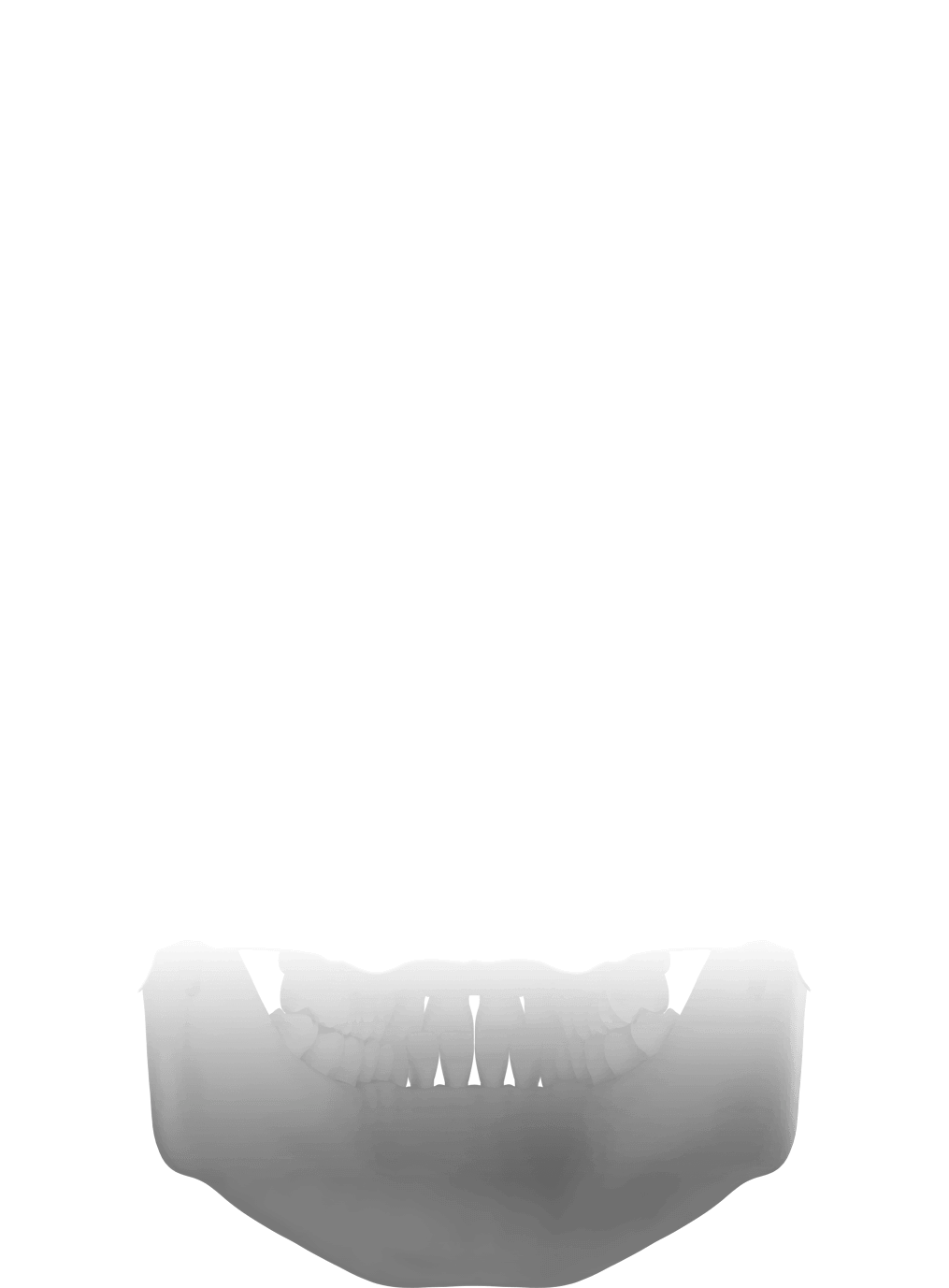
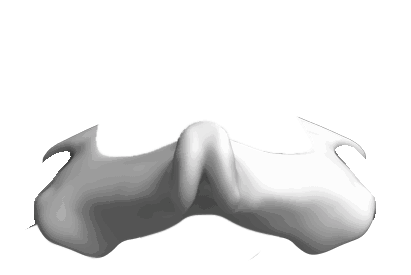
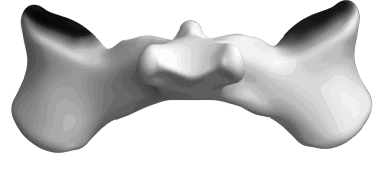
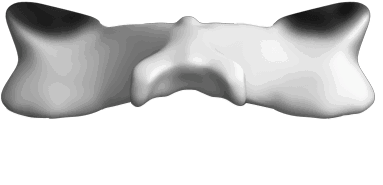
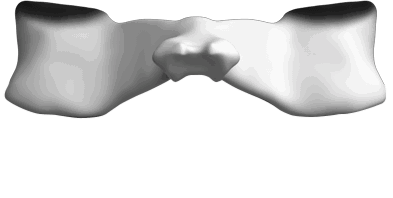
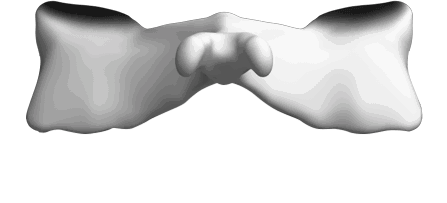
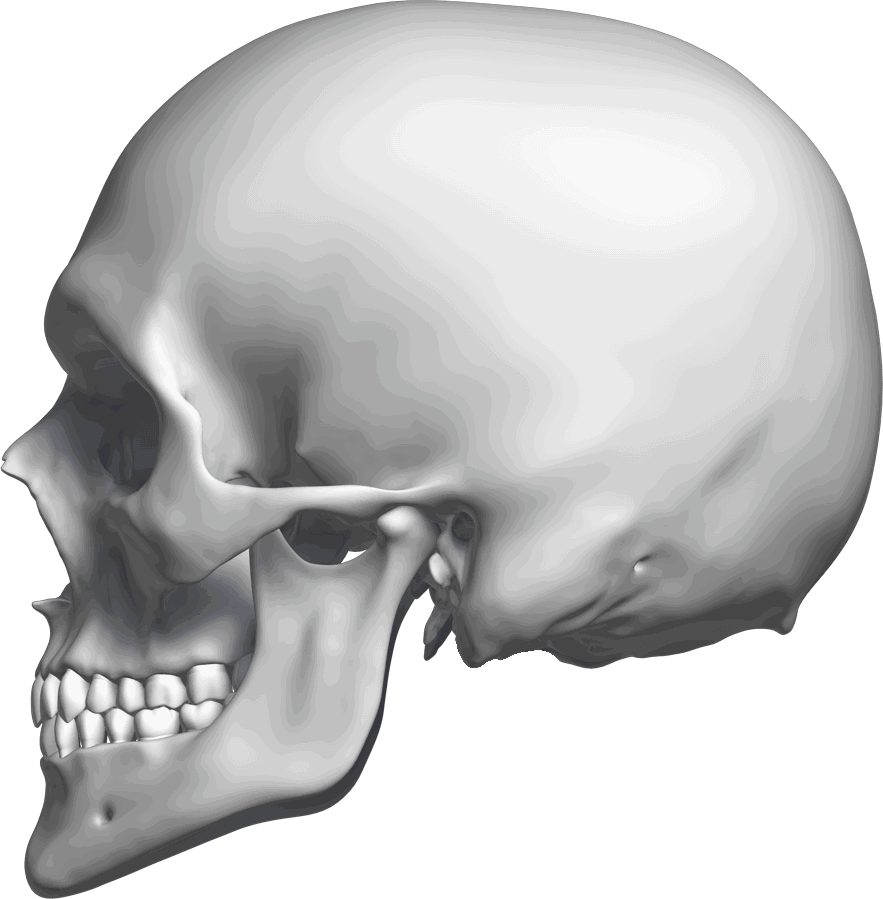
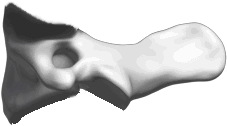
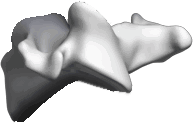
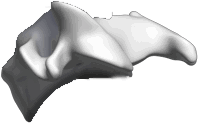
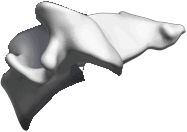
Whether from a specific injury or from years of accumulated stress on this small, delicate space, the CCJ doesn’t fail cleanly, it buckles. The connective tissue, ligaments, and muscles that are supposed to hold your head balanced and aligned get stretched, torn, or weakened over time. This allows the head, neck, and top vertebra (called the atlas) to shift out of their normal position, exactly like what you see illustrated here.
This shift matters far beyond just posture. Because the craniocervical junction sits so close to the brainstem, the control center connecting your brain to the rest of your body, even a small misalignment here can disrupt the signals traveling to and from the brain. The result is often more than a stiff neck: it can show up as postural distortion and body imbalance, as the rest of your spine tries to compensate and gradually shifts off-center too. See “How Did I Get This Way?”.
A Complex & Gentle Solution
The good news is that a problem this precise deserves a solution just as precise. That’s exactly what Atlas Orthogonal (AO) offers, a system of correction developed by Dr. Roy Sweat, built on the math and physics of your unique craniocervical junction (CCJ). Using detailed imaging, we calculate the exact reduction pathway and corrective force your body needs to gently guide the head, neck, and atlas back into proper alignment (shown by the correction arrow when you click on the animation).
There’s no twisting, no popping, and no forceful thrusting involved, just a precise, gentle correction. In fact, most patients don’t even feel the adjustment happen. Yet the effects reach far beyond the neck: as the CCJ is realigned, stress on the nerves feeding the brainstem is relieved, and the entire body begins to rebalance. That’s why patients often notice improvement in areas well beyond the neck, even in the lower back, hips, or legs, as their whole spine responds to the correction at the top.
A Lasting Difference
Because the craniocervical junction is such a precise and complex area, accuracy isn’t just nice to have, it’s what makes healing happen faster. When a correction is made with true precision the first time, your body isn’t stuck fighting a misalignment that keeps slipping back out of place. Instead, it’s free to do what it does best: heal.
That’s the real difference precise upper cervical care makes. Each treatment builds on the last, rather than starting over each visit, your body holds more of its correction over time, so progress adds up instead of resetting. Patients often notice change more quickly, and as the correction becomes more stable, they typically need less frequent care, not more. Rather than chasing symptoms visit after visit, our focus is on correcting the root cause at the CCJ, so your body can stabilize and heal on its own, for the long term.
How Did I Get This Way?
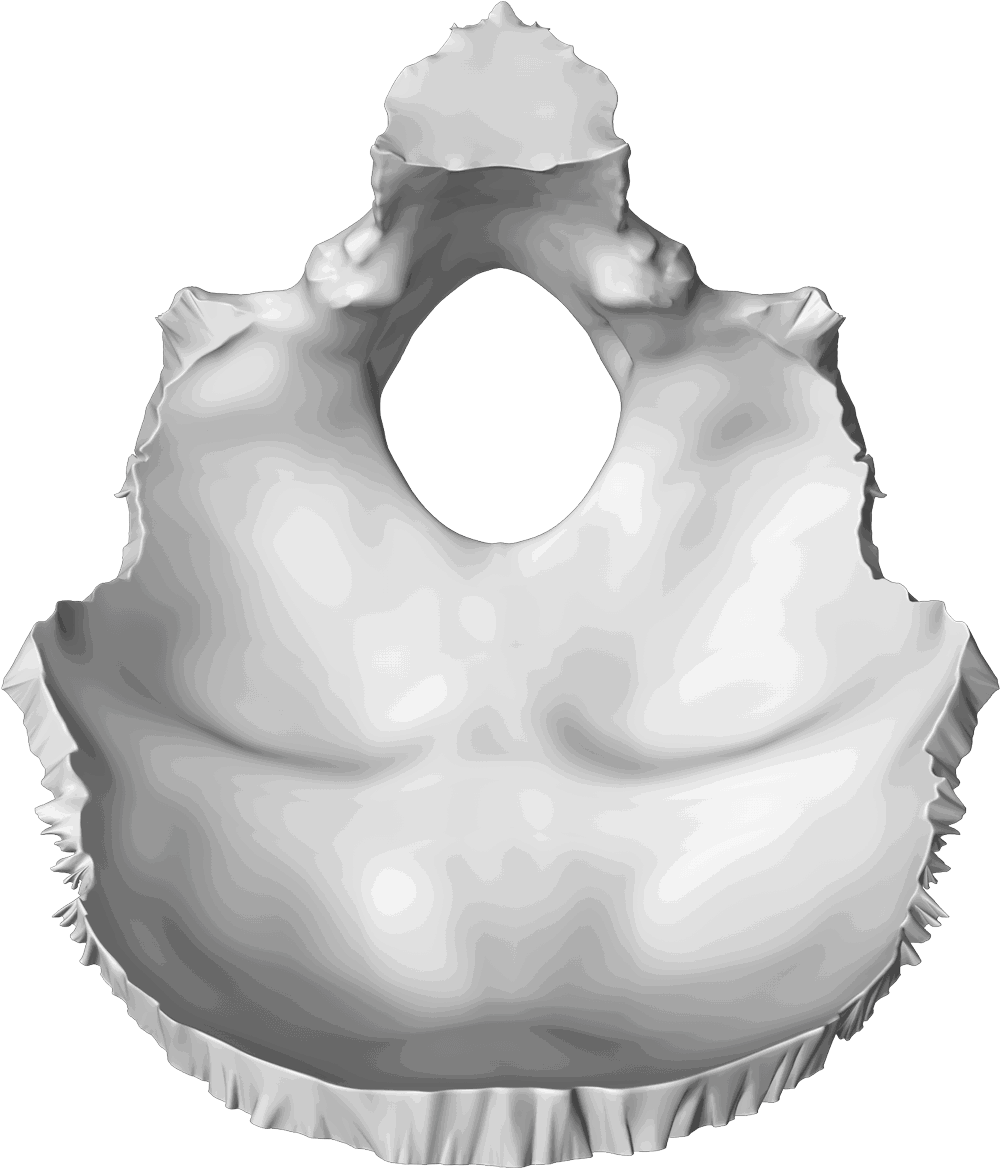
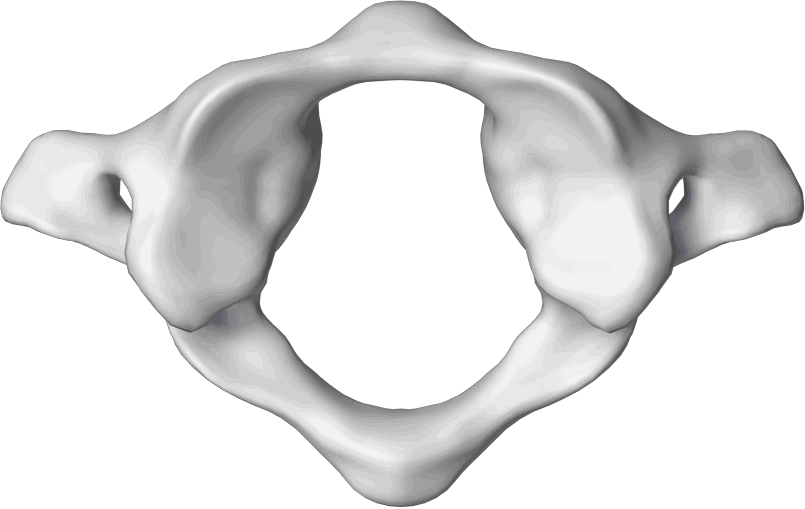
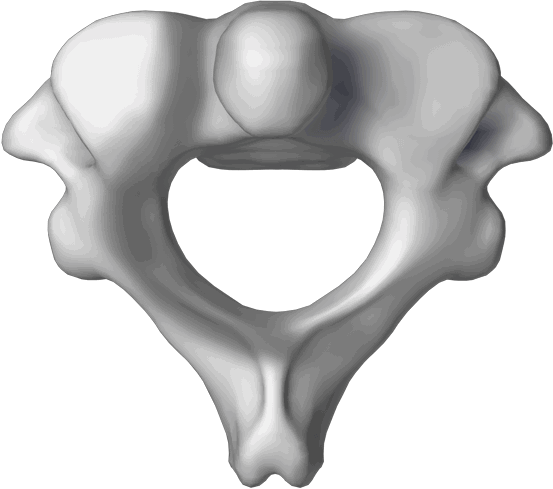
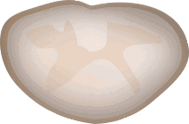
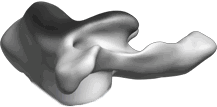
As you can see here, the upper neck can become twisted and rotated out of position, whether from a specific injury or from years of accumulated postural stress, adding to the complexity of the misalignment and compounding stress on the brainstem. Interestingly, the atlas, the axis, and the opening at the base of the skull are all naturally round, so part of what a correction does is bring these openings back into proper alignment with one another, which may help support healthy fluid flow between the brain and spinal cord. The misalignment you’re looking at is often the result of one or more past injuries to the craniocervical junction (CCJ), though it can also build gradually from repetitive stress over time. When injury is the cause, it often traces all the way back to childhood, the header off the top bunk, a tumble down the steps, a fall off the bike, the hayloft, or the backyard tree. Or maybe it was a teenage gymnastics injury, or a car accident. Take a moment to think back, you can probably come up with a few possibilities of your own.
Regardless of the cause, many people carry some degree of neck misalignment and posture distortion into adulthood without realizing it. What makes this tricky is that after the initial pain of an injury fades, or if the misalignment built up gradually with no single moment of pain at all, a CCJ misalignment can sit quietly for years. It’s often not until a new injury occurs, or years of compensation finally catch up with the body, that other problems begin to surface, things like increased stiffness, accelerated wear on the joints, or nerve-related symptoms that seem to come out of nowhere. See “How Does This Affect My Health”.
The Nervous System "Grand Central"
The lower end of the brain, called the brainstem, extends down into the upper neck. Every nerve traveling between the brain and the rest of the body passes through the fragile, ring-shaped vertebra that surrounds the brainstem, the atlas. Because so much passes through such a small space, the upper neck acts as a kind of neurological “Grand Central Station.” Here’s why that matters:
Posture And Body Balance
The lower brainstem plays a key role in posture and balance. When there’s misalignment and stress in the upper neck, the muscles running along the spine can pull unevenly, gradually shifting the body off center. (See “The Bigger Picture” to learn how stress on these posture control centers can affect the entire body.)
Blood Pressure, Respiration and Heart Rate
The neurological centers that help regulate these functions are located in the lower brainstem, and they can potentially be affected by upper neck misalignment. Early research has explored a possible link between upper cervical correction and blood pressure, it’s an area of ongoing interest, and something we’re glad to discuss further if it’s relevant to you.
Sleep / Mood
Serotonin, a chemical associated with mood, sleep, appetite, and certain cognitive functions, is produced in part in the brainstem. When the upper neck is under stress, it’s possible for this to affect a person’s energy levels and overall sense of well-being.
Immune Function
The Autonomic Nervous System governs the body functions we don’t consciously control. Its sympathetic branch becomes more active during stress, the body’s “fight-or-flight” response. Long-term activation of this stress response has been associated with changes in immune function, and upper neck misalignment is one possible contributor to that ongoing stress.
Digestion
The Vagus nerve plays an important role in digestion and elimination, and it passes close to the atlas vertebra as it travels down from the brain. Because of this pathway, upper neck misalignment can potentially influence how this nerve functions.
Head and Facial Problems
Because several cranial nerves have tracts that descend into the upper neck, stress in this area can potentially contribute to symptoms like facial discomfort, ear pressure, sinus pressure, headaches, or dizziness. Ongoing research is also beginning to explore how upper neck misalignment may affect cerebrospinal fluid and blood flow to and from the brain.
The Bigger Picture
Whether it’s from a specific injury, an old accident you may not even remember, or years of everyday postural stress, misalignment in the upper neck has an effect on the entire body. When the head shifts off the top of the neck, the body’s natural “righting reflex” shifts the rest of the body into a distorted posture, trying to bring the head back to level. This shift creates stress and miscommunication with the posture control centers in the lower brainstem, right where it passes through the top vertebra. As a result, the posture muscles running along one side of the spine begin to pull harder than the muscles on the other side, which is what produces the picture you see here.
Over time, this kind of imbalance can take a toll on the spine. When body weight isn’t distributed evenly across the discs, it can add extra wear and stress to the spine and the nerve pathways running through it, not unlike how a car with its front end out of alignment wears through its tires more quickly. Keeping your spine balanced now is one of the best things you can do for how it holds up in the years ahead.
Notice the short leg, uneven hips, high shoulder, and head tilt. Look closely at your friends and family as they face you, and you may be able to spot signs that they could benefit from an evaluation. Click the animation to see how a small, strategic touch just under the ear can help restore balance and alignment to the entire spine!
How Does This Affect My Health?
The brain and nervous system control and regulate every function of the body, most of which we don’t consciously think about, things like heart rate, breathing, and digestion. In fact, the nervous system is one of the very first systems to develop in the womb. Because of how central it is, the spine’s job is to protect the nervous system so the brain can stay connected to every part of the body. When the spine is injured, damaged, or placed under long-term stress, that connection can be interrupted. The common term for this nerve stress caused by spinal misalignment is subluxation. As we discussed earlier, the upper neck is especially vulnerable to this kind of stress, whether from a specific injury or from years of accumulated strain, and the subluxation that can follow. Because the brainstem, the nervous system’s “Grand Central Station,” passes right through the first cervical vertebra, problems here tend to have a broader effect on the body.
- Misalignment of the spine can put pressure on the spinal cord and the delicate nerves that exit between each vertebra. When a body part loses some of its normal connection to the brain, it may not function at its best. For example, when the nerves supplying the stomach are under stress, some patients notice digestive symptoms such as indigestion, bloating, or discomfort after eating.
- Body imbalance creates ongoing structural and neurological stress. The body responds to stress by activating the sympathetic nervous system, and long-term activation of this stress response has been associated with changes in immune function. In other words, your immune system may not work as well when the body is under long-term stress and imbalance.
- Long-term body imbalance can contribute to premature wear on the spine over time. As that wear progresses, it can gradually affect the space around the spinal nerves, making it harder for them to carry messages to and from the brain as efficiently.
Is Your Spine Older Than You?
The human body is designed for a long, active life,but too often, a spine that ages faster than the rest of the body gets in the way. Ironically, most of us know more about caring for our teeth than we do about caring for our spine. Below is a general outline of how spinal degeneration tends to progress over time. Take a look, do you have a sense of where you might be?
Phase I: 5–15 Years of Adaptation
Whether from a specific trauma or from years of uncorrected postural stress, this early phase can involve a loss of the spine’s normal curve, narrowing of the discs, and subtle changes in how the spine and nerves function. Because the body is remarkably adaptable, it can exist quietly, without obvious pain or other symptoms. Left uncorrected, these changes can continue to progress.
Common symptoms of Phase I:
- Headaches
- Neck Pain
- Strained Muscles
- Shoulder Tension
Phase II: 15–30 Years of Adaptation
At this stage, x-rays often reveal visible bone spurs and rough edges along the vertebrae. These bony changes can distort the shape and function of the vertebrae, adding stress to the discs, joints, and ligaments. As these soft tissues break down, it can lead to reduced joint movement, inflammation, and increased pressure on nearby nerves.
Common symptoms of Phase II:
- Stiffness
- Reduced Range of Motion
- Joint Pain
- Fatigue
Phase III: 30+ Years of Adaptation
Years of uncorrected imbalance can eventually lead to significant changes in the spine, including reduced joint mobility, muscle atrophy, and lasting changes to the nerves and soft tissue. At this stage, mobility and nervous system function can be meaningfully affected, which may impact day-to-day quality of life.
Common symptoms of Phase III:
- Chronic Pain
- Significant Stiffness or Reduced Mobility
- Ongoing Fatigue
- Nerve-Related Symptoms
The earlier spinal imbalance is addressed, the more these changes can potentially be slowed or minimized. Taking care of your spine today is one of the best investments you can make in how you move and feel for years to come.
75-170 Hualalai Road
Suite B104
Kailua-Kona, HI
96740